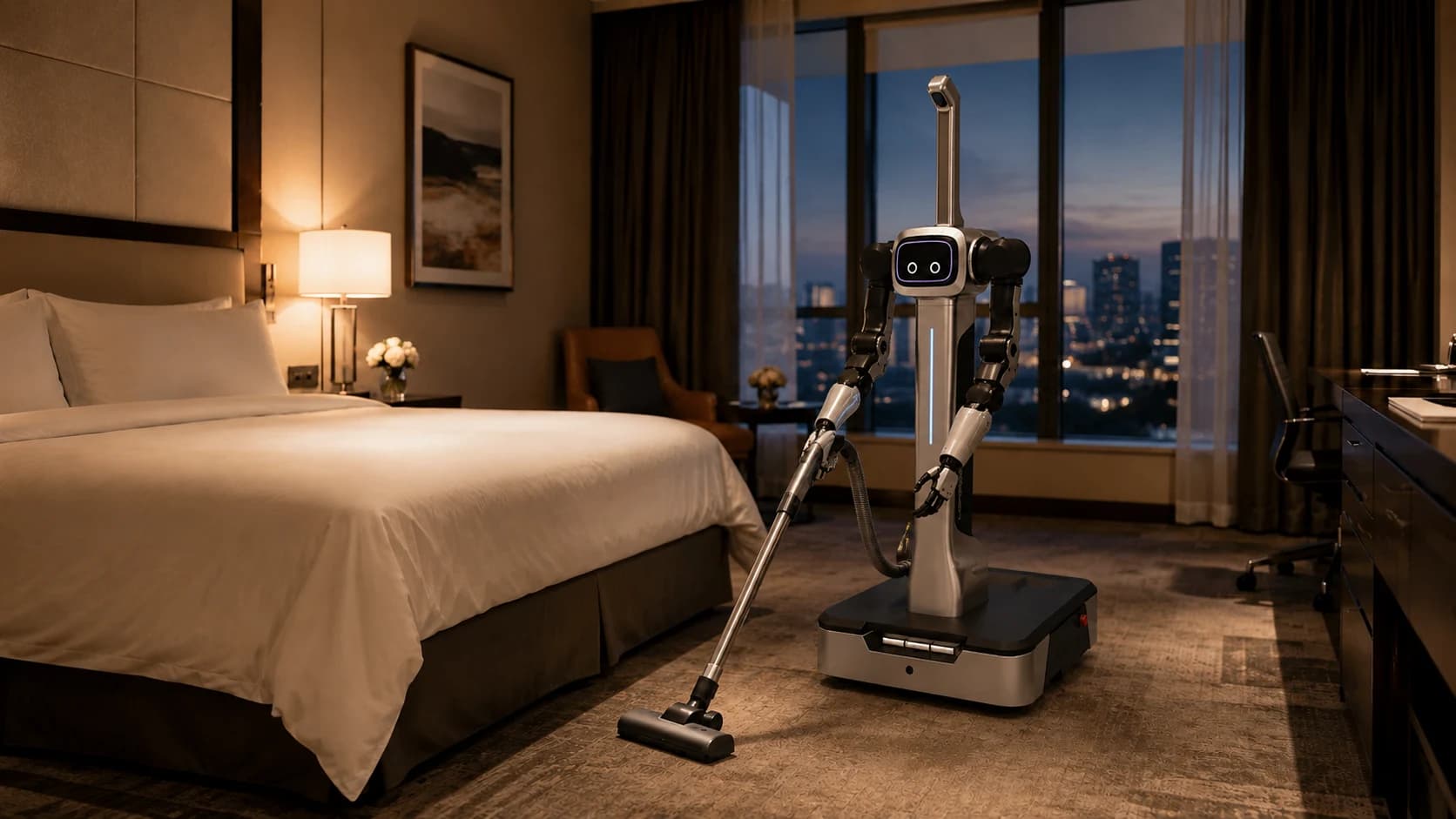
SCENARIO SAMPLE
Household & hospitality
Restocking, room service, linen and object handling
Request a sample reviewData collection, annotation and dataset sourcing around the tasks your models need to understand.
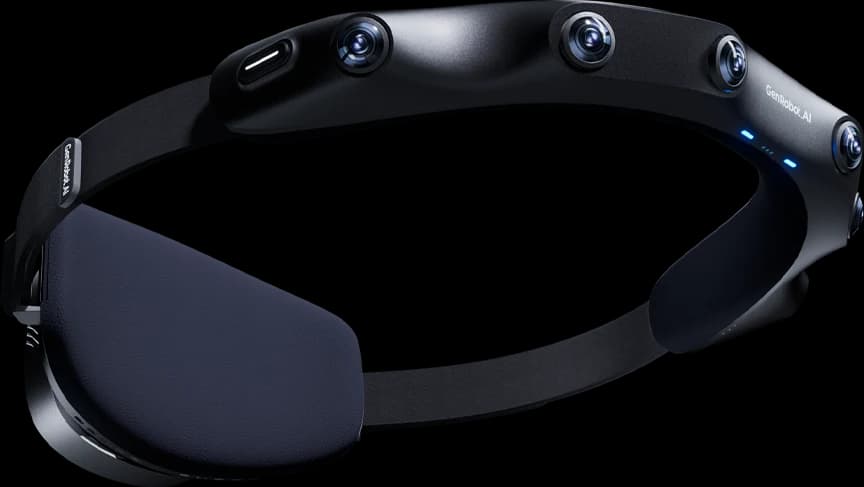
Start with the task or the gap in your dataset. Select a collection setup, define the processing pipeline, or request existing data with a sample and clear usage rights. Observations, actions, environments and acceptance criteria are scoped together.
Review the environment, action boundaries, metadata and delivery shape before committing to a batch.
Restocking, room service, linen and object handling
Request a sample review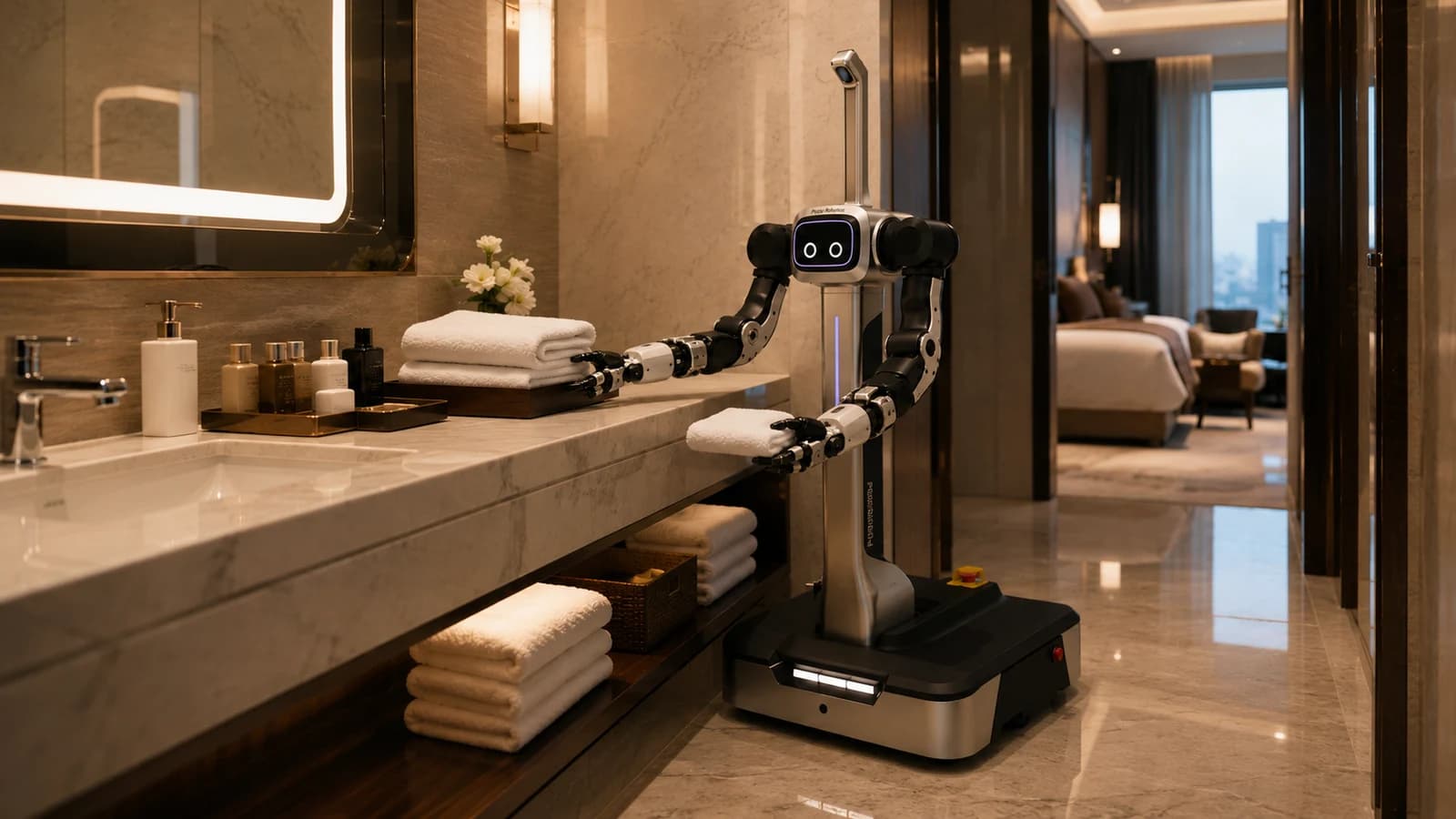
Pick, place, sort and use tools across changing scenes
Request a sample review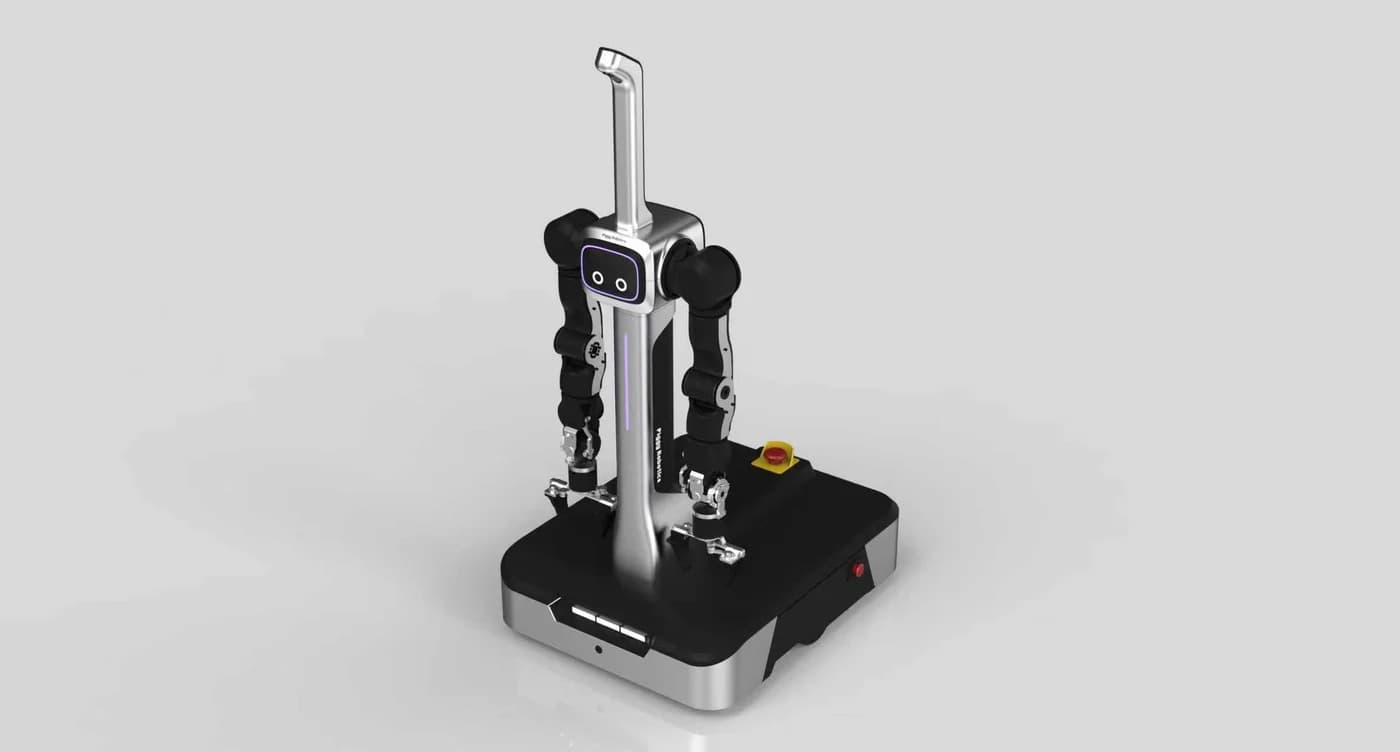
Platform-specific observations, actions and outcomes
Request a sample reviewThe same recording can support different levels of supervision. Select the layers that match your model, evaluation plan and budget.
Configure annotationStable IDs, recording setup, scene and task context
Task, step and atomic action boundaries with timestamps
Objects, locations, goals, outcomes and language descriptions
JSON, Parquet, RLDS, LeRobot or a customer-defined schema
Every project defines the accepted unit, task and scene coverage, required modalities, exclusions, quality rules and usage rights. Raw recording duration is reported separately from accepted training data.
Robot-free first-person recordings capture the diversity of human work. Stereo and multi-camera configurations support task, step and action annotation.
Platform-specific demonstrations connect camera observations with available robot states, actions and outcomes. Exact channels are validated on a sample.
Scope variations in objects, placement, lighting and task sequence. Define which failures and recovery attempts belong in the dataset.
Start with concrete workflows in hospitality and sports operations: restocking, linen handling, equipment organization and tool interactions.
Agree training and evaluation use, redistribution, derivatives, exclusivity and geographic handling before an order. Availability is confirmed per collection.
Review representative episodes, labels, recording configuration and a field dictionary before setting batch volume and delivery milestones.
First-person demonstrations of real work, organized into tasks, steps and actions. Build a richer understanding of how people interact with objects and environments.
On-robot task episodes with platform configuration and available observations, states and actions. Align the recording schema with the policy you are training.
Human egocentric data recorded without requiring a robot during collection. It can describe human actions and intentions, but robot control signals and retargeting are separate requirements.
Yes, a project can cover related tasks in both modalities. We agree correspondence, schema and evaluation criteria; we do not assume that human motion transfers directly to any robot.
Request a current sample list. Existing availability, license terms and usable volume are verified for the requested tasks; new collection can fill gaps.
By the accepted unit stated in the order, such as usable recording hours or validated episodes. Raw recording duration is reported separately from accepted training data.