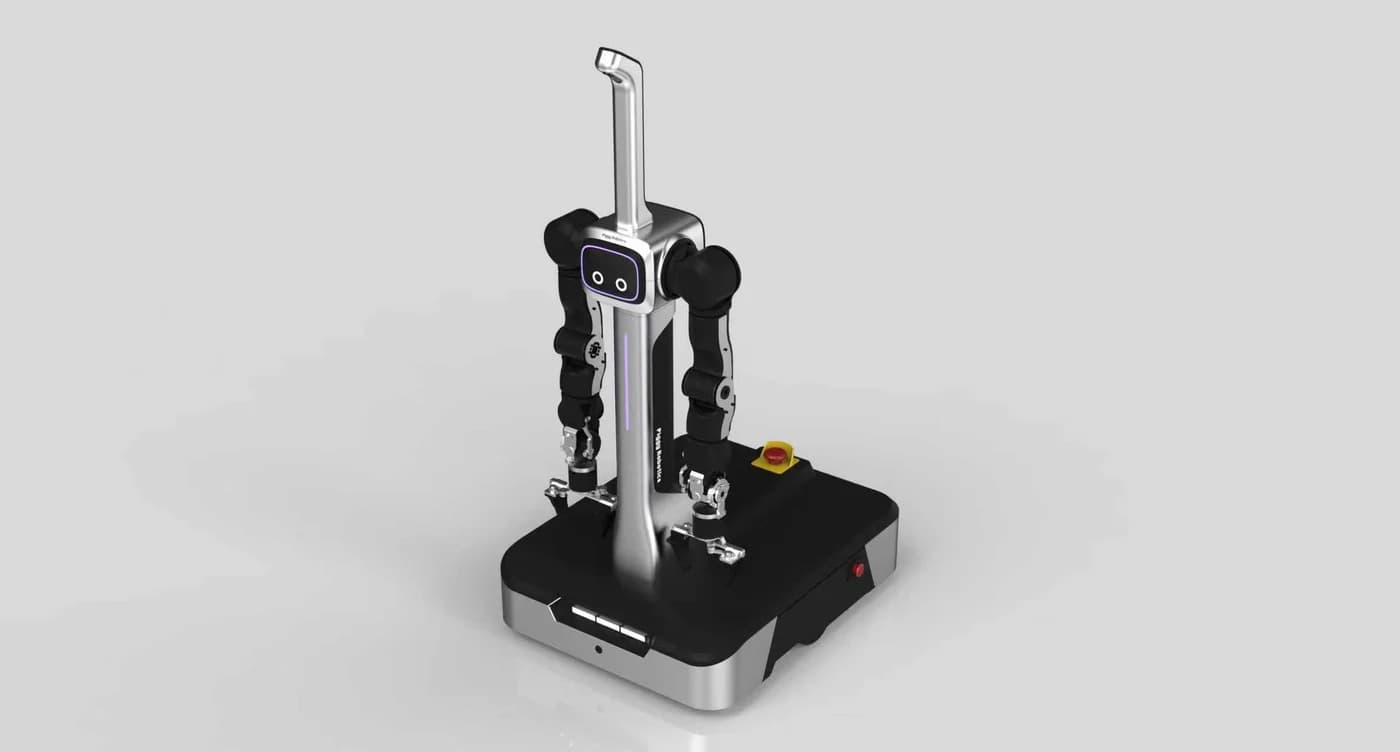
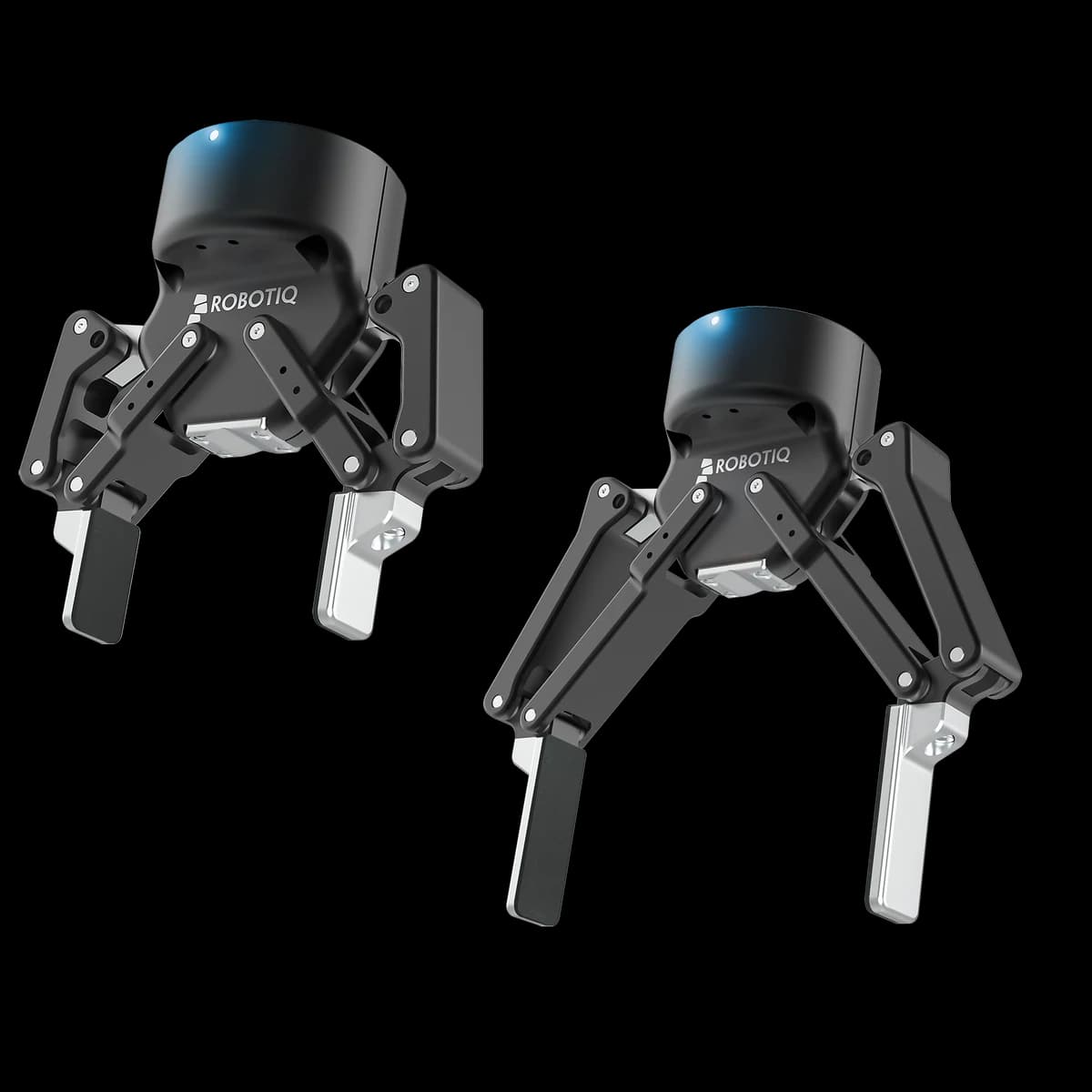
Robot retrofit & integration
Adapt an existing robot for a new task through mounts, end effectors, sensing and recording integration, with clear compatibility and acceptance boundaries.
Assembly, mechanical adaptation, end-effector integration and custom components that connect a platform to a real job.
When standard hardware is close but not quite right, define the gap precisely. Start with feasibility, validate a prototype and agree what a successful integration must demonstrate.
Assemble compatible platform, tooling, sensing and compute components to an agreed bill of materials, then verify the assembled configuration against a task-specific test plan.
Design mounts, adapter plates, enclosures and fixtures around actual dimensions, load limits and maintainability.
Adapt grippers, dexterous hands or task tooling while reviewing mechanical, electrical and software compatibility.
Add cameras or sensors with a defined field of view, calibration method, data interface and recording workflow.
Scope configuration and interface work within the permissions and capabilities of the selected platform.
Develop functional parts from a CAD file or requirement. Agree materials, critical tolerances, finish and inspection.
Test the modified setup against defined tasks and document the configuration, known limits and support responsibilities.
Adapt an existing robot for a new task through mounts, end effectors, sensing and recording integration, with clear compatibility and acceptance boundaries.
Assemble a compatible robot, end effector, sensors and compute into a documented configuration. Start from a named platform or bill of materials and agree the interfaces and acceptance tasks.
Develop brackets, adapters, gripper fingers and task fixtures from a drawing or a practical requirement. Validate fit and function before a production batch.
Yes, after a baseline and interface review. We will identify access requirements, warranty effects and changes that need the original manufacturer's input.
Yes. A feasibility and design phase can turn the requirement into drawings and measurable acceptance criteria before fabrication.
Ownership, source-file delivery, manufacturing rights and reuse are explicit commercial terms agreed before engineering work starts.
It can. The change scope, destination and intended use determine what review or evidence is needed. Certification is not assumed from the original platform.